Hot Dried Chillies Factories: Comprehensive Industry Overview and Insights
By:Admin
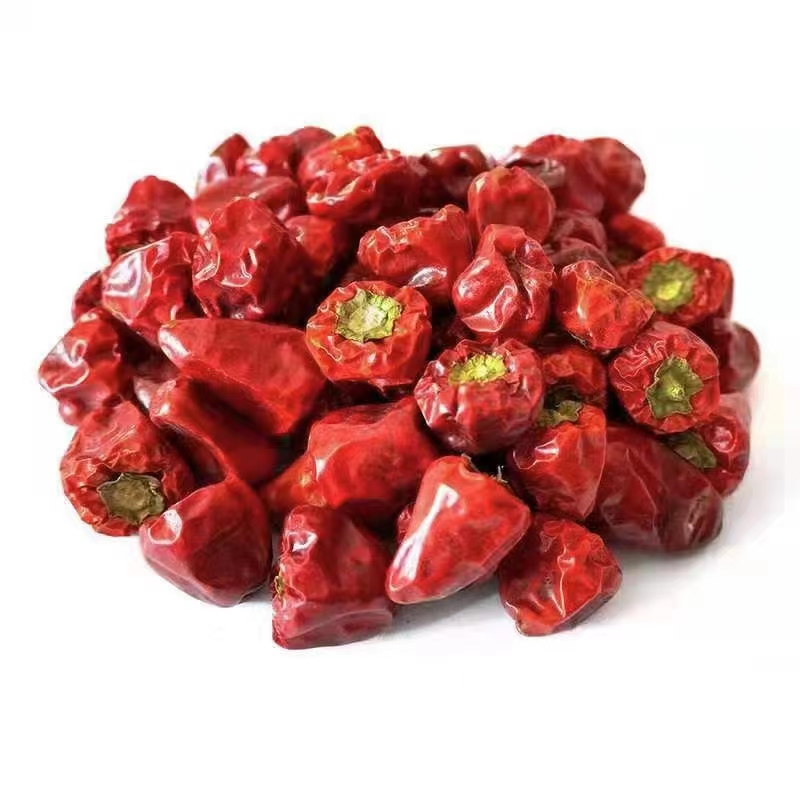
In recent years, the hot dried chillies industry has experienced significant growth, driven by increasing domestic consumption and expanding export markets. The factories specializing in processing hot dried chillies are at the forefront of this development, showcasing advancements in production technology, quality control, and sustainability practices. This article explores the evolution of hot dried chillies factories, highlighting their contributions to the agricultural processing sector and the broader economy.
### Rising Demand for Hot Dried Chillies
Hot dried chillies remain a staple in cuisines worldwide, valued for their pungency, flavor, and vibrant color. The demand for these spices has surged due to the growing popularity of spicy foods and increased health awareness, as chillies are rich in vitamins and antioxidants. Additionally, the expanding processed food industry, including snacks, sauces, and ready-to-eat meals, has fueled the need for reliable chilli spice suppliers.
Factories engaged in the production of hot dried chillies have responded by enhancing their capacities and adopting modern processing methods. These improvements ensure consistent product quality and meet the stringent standards of international markets.
### Modernization and Technological Advancements
A notable trend in hot dried chilli factories is the integration of advanced drying and packaging technologies. Traditional sun-drying methods, though still in use, are increasingly supplemented or replaced by controlled mechanical drying systems. These systems offer advantages such as uniform drying, reduced contamination, and faster processing times. They also help maintain the essential oils and capsaicin content responsible for the intense heat and aroma of the chillies.
Quality control has become a critical focus area. Factories now implement comprehensive testing protocols covering moisture content, color consistency, purity, and the absence of harmful substances like aflatoxins and pesticides. These measures are crucial for securing certifications required for export to developed markets.
### Sustainability and Environmental Responsibility
In an era where sustainability is paramount, hot dried chilli factories are adopting environmentally friendly practices. Many producers are investing in renewable energy sources, such as solar dryers, to reduce carbon footprints. Waste management protocols have been improved, turning chilli waste into valuable by-products like organic compost or bioenergy feedstock.
Water conservation techniques and the use of eco-friendly packaging materials further reflect the industry's commitment to sustainable development. Such initiatives not only meet regulatory requirements but also appeal to environmentally conscious consumers and buyers.
### Supporting Local Farmers and Rural Development
Hot dried chilli factories play a pivotal role in supporting agricultural communities. By establishing procurement channels directly with local farmers, these factories provide a stable market for chilli growers, ensuring fair prices and prompt payments. Training programs on best agricultural practices, pest management, and post-harvest handling have been instrumental in improving crop yields and quality.
The factories’ economic contributions extend beyond farmers to include employment generation and infrastructure development in rural areas. This symbiotic relationship strengthens the regional supply chain and fosters inclusive growth.
### Export Potential and Market Expansion
The global spices market continues to offer lucrative opportunities for hot dried chilli exporters. With competitive pricing, adherence to international quality standards, and customized product offerings, manufacturers are expanding their footprints in key markets such as North America, Europe, and Southeast Asia.
Trade fairs, digital marketing, and strategic partnerships have been effective tools in enhancing brand visibility and customer engagement. Moreover, diversification into value-added products like chilli powders, flakes, and sauces has enabled factories to capture a broader market segment.
### Company Introduction
Established as a leader in the agricultural processing sector, the company has steadily grown into one of the most respected hot dried chillies producers. With state-of-the-art facilities and a commitment to quality, the company ensures that its products meet the highest industry standards while catering to both domestic and international markets.
The company emphasizes research and development, continuously improving processing technologies and product innovations. Its sustainability initiatives include significant investments in renewable energy and community development programs that support local farmers and environmental conservation.
By combining tradition with modernity, the company has built a reputation for delivering superior quality hot dried chillies that customers trust. Its robust supply chain management and customer-centric approach make it a preferred partner in the spice industry.
### Future Outlook
The hot dried chillies factories are poised for continued growth, driven by innovation, sustainability, and market diversification. As consumer preferences evolve and global demand for spices intensifies, these factories will remain vital contributors to the agro-processing landscape.
Collaboration among industry stakeholders, government bodies, and research institutions will further enhance productivity and quality standards. Embracing digital transformation and smart manufacturing techniques is anticipated to be a game-changer in operational efficiency and traceability.
In conclusion, the forward momentum witnessed in hot dried chillies factories reflects broader trends in food processing and agricultural development. Their success not only supports economic growth but also enriches the culinary experiences of consumers worldwide. With an unwavering commitment to excellence and sustainability, the industry is well-positioned to meet future challenges and opportunities.